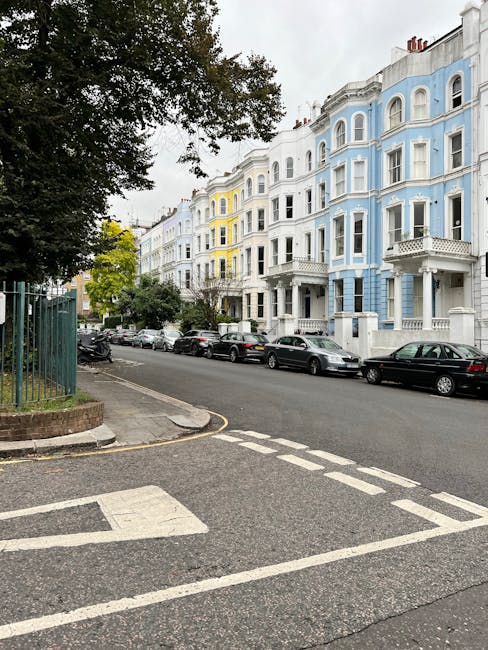
Street parking rules affecting Highbury removals and fines
Moving in Highbury can feel simple on paper: book the van, carry the boxes, and get on with life. In reality, street parking rules affecting Highbury removals and fines can turn a well-planned move into a stressful, expensive mess if you leave parking to chance. One blocked bay, one missed sign, or one van positioned a little too far from the kerb, and suddenly you are dealing with delays, complaints, or a penalty notice that nobody wanted on moving day.
This guide breaks the topic down in plain English. You will learn why parking rules matter so much during a removal, how fines and restrictions usually arise, what a sensible move-day plan looks like, and how to reduce risk without overcomplicating the job. If you are moving home or arranging a business relocation, a bit of parking know-how really does save time, money, and that awful last-hour scramble. Let's face it, nobody wants to carry a sofa half a street because the van can't stop where it should.
For readers comparing removal support or planning a more organised move, it may help to understand the wider service picture too. Options such as man and van support, home moves, and packing and unpacking services can all play a part in reducing pressure on the day, especially when parking is tight.
Table of Contents
- Why Street parking rules affecting Highbury removals and fines Matters
- How Street parking rules affecting Highbury removals and fines Works
- Key Benefits and Practical Advantages
- Who This Is For and When It Makes Sense
- Step-by-Step Guidance
- Expert Tips for Better Results
- Common Mistakes to Avoid
- Tools, Resources and Recommendations
- Law, Compliance, Standards, or Best Practice
- Options, Methods, or Comparison Table
- Case Study or Real-World Example
- Practical Checklist
- Conclusion
- Frequently Asked Questions
Why Street parking rules affecting Highbury removals and fines Matters
Street parking is not just a logistics detail. During a move, it shapes the pace of the whole day. If the van can stop close to the property, loading is quicker, lift usage is smoother, neighbours are less inconvenienced, and the risk of damaged items drops. If the vehicle has to park too far away, every box becomes a longer carry, and the whole job starts to feel heavier than it should. You notice it in the first ten minutes.
In Highbury, that matters even more because residential streets can be busy, parking space can be scarce, and restrictions may change from one side of the road to the other. Add school runs, delivery vehicles, and ordinary local traffic, and the margin for error gets narrow. A move that ignores parking realities often ends up costing more in waiting time, extra labour, and avoidable fines than people expected.
There is also the trust factor. If you are the one organising the move, the last thing you want is to explain to a landlord, neighbour, or building manager why the van was left in a restricted spot. A smoother parking plan shows control. It also shows respect for the street. That sounds small, but in a crowded London neighbourhood, it really matters.
Expert summary: For removals in Highbury, parking is part of the move plan, not something to sort out on arrival. The safest approach is to treat the van stop as a key operational decision, not an afterthought.
If you are moving a full household, support from experienced house removals or a practical removal services team can make a big difference, because they tend to think about access, loading distance, and timing before the first box is lifted.
How Street parking rules affecting Highbury removals and fines Works
At a practical level, the issue comes down to whether the removal vehicle can legally stop where it needs to stop. That may involve residents' bays, pay-and-display spaces, loading restrictions, time-limited stopping rules, yellow lines, or permit-controlled areas. The exact details depend on the street, the time of day, and the local traffic orders in force. You do not need to memorise every rule, but you do need to verify them before the van arrives.
Typical parking problems during removals include:
- parking in a bay without the required permit or payment
- stopping on single or double yellow lines where loading is not allowed
- blocking a dropped kerb, driveway, or access point
- parking too far from the property and causing long carry distances
- positioning the van across more than one space or in a way that obstructs traffic
- leaving the vehicle in a location where the driver cannot stay with it safely
Fines, penalties, or enforcement action may follow if the vehicle is parked in a restricted way. In some cases, a ticket is issued because the driver overstays the permitted time. In others, the issue is simply that the van is in the wrong place for that street's rules. You may also run into practical enforcement, like a council officer asking the vehicle to move, which can break momentum at exactly the wrong moment.
There is a subtle but important point here: removals are different from ordinary parking. A move often involves short stops, repeated door opening, and frequent loading. Some restrictions may allow loading for a limited period, while others may not. The key is not to assume. Check the street, check the signage, and if anything looks ambiguous, plan for a safer alternative.
For larger jobs, such as an office move or heavier furniture handling, service choice matters too. A vehicle such as a moving van or a dedicated moving truck may suit one job better than another, but either way the parking plan has to fit the vehicle size and the street conditions. Too many people reverse that logic. Bit of a classic mistake.
Key Benefits and Practical Advantages
Getting parking right does more than avoid fines. It makes the whole move feel calmer and more controlled. And on moving day, calm is worth a lot.
- Less wasted time: The crew spends more minutes moving items and fewer minutes circling the block.
- Lower physical strain: Shorter carry distances reduce fatigue and the risk of damage.
- Reduced conflict: Neighbours are less likely to complain if the van is positioned considerately and legally.
- Fewer surprise costs: A careful plan lowers the chance of tickets, parking charges, or extra labour hours.
- Better scheduling: When the vehicle can stop close by, the move runs closer to the timetable you were promised.
- Safer handling: Heavy items like wardrobes, appliances, and office desks are easier to manage over shorter distances.
There is also a softer benefit that people underestimate: confidence. Once the van is parked correctly, everyone relaxes a little. The job starts to feel manageable. You can hear the tape tearing, doors opening, boxes being set down. It sounds ordinary, but that's the good part.
For commercial moves, the benefits are even sharper because downtime matters. A business may need commercial moves or office removals with tighter access windows, so an incorrect parking decision can disrupt staff, deliveries, and building access all at once.
Who This Is For and When It Makes Sense
This topic matters to anyone moving in or out of Highbury, but some people need the guidance more than others.
- Home movers: Especially if you live on a narrow street, near permit bays, or in a converted building with limited frontage.
- Landlords and tenants: If you need to coordinate end-of-tenancy moves without upsetting neighbours or risking charges.
- Small businesses: Offices, studios, and retail spaces often have very little loading flexibility.
- Students and sharers: Even a smaller move can go wrong if parking is left to chance.
- Furniture buyers or sellers: A one-item collection can still trigger issues if the van cannot stop safely.
It also makes sense if you are comparing service types. Sometimes a simple man with van setup is enough. Other times, you may need a larger team or even a full removal company with the right vehicle, lifting support, and timing discipline. The right answer depends on access as much as volume.
Highbury moves often involve one of those awkward middle situations: not a tiny move, not a giant one either, but enough items to make parking strategy important. Truth be told, that is where many people get caught out. They underestimate the street, then discover it after the sofa arrives.
Step-by-Step Guidance
If you want to reduce the chance of fines or delays, use a methodical approach. Nothing fancy. Just practical steps, in the right order.
- Inspect the address and street layout in advance. Look at where a van could legally stop, where access doors are, and whether the street narrows at certain points.
- Read the signage, not just the road markings. Signs usually tell the real story. Markings can be faded or confusing.
- Check timing restrictions. Some spaces are fine at one hour and not at another. This is where many moving plans fall apart.
- Decide whether a permit or suspension is needed. For some moves, this may be the difference between a smooth arrival and a fine. If you are unsure, plan conservatively.
- Match vehicle size to the street. A larger vehicle may reduce trips but create parking trouble. A smaller one may fit better but take longer. Balance matters.
- Plan a loading sequence. Put the biggest or heaviest items closest to the exit first if the parking position is tight. It saves awkward back-and-forth.
- Leave a buffer. Arrive earlier than you think you need to. Moving day is rarely as tidy as the calendar says.
- Keep someone available to watch the vehicle. A driver who can remain close to the van can respond quickly if enforcement or traffic becomes an issue.
A small note from experience: the first ten minutes set the tone. If parking is sorted before the team starts carrying boxes, the whole day feels lighter. If it isn't, the move tends to become a long chain of adjustments. Not ideal.
If you want more support with the physical side of the move, a team offering movers or a tailored man and van removals service can help coordinate vehicle access, loading order, and the timing of each trip.
Expert Tips for Better Results
These are the kinds of details that usually separate an easy move from an irritating one.
- Do a same-day sign check. A street can have temporary restrictions, roadworks, or event controls that were not there when you first looked.
- Bring a backup plan. If the nearest legal space is taken, know where the next reasonable option is. Do not improvise under pressure.
- Keep loading bays in mind. Some streets offer short loading windows that are much better than risking a ticket elsewhere.
- Use good communication. If someone else is helping, tell them the exact parking arrangement before the van arrives.
- Protect the exit path. The cleanest legal parking spot is no use if the front door or stairwell is blocked by clutter.
- Be realistic about lifting distances. A two-minute walk sounds fine. After the sixth trip, it does not.
Another useful habit is to photograph the parking signs once you have checked them. That is not about arguing with anyone later. It is just a simple memory aid. Moving day has a way of making everyone forget the detail they were most certain about ten minutes earlier.
For higher-value or fragile items, consider whether furniture pick-up support or removal van hire is the better fit, especially if the street is tight and the move needs quick turnaround rather than a full-day presence.
Common Mistakes to Avoid
A lot of parking problems come from a few predictable errors. The good news is that most of them are avoidable.
- Assuming loading is always allowed: It is not. Even when a street looks practical, the restriction might say otherwise.
- Ignoring time of day: A bay that works at 10am may be restricted by afternoon.
- Blocking traffic briefly and hoping for the best: That "just for a minute" approach is how people end up with complaints or fines.
- Leaving the van too far away: It protects the parking issue but creates a handling problem. You need balance, not heroics.
- Not briefing the driver: If the person parking the van does not know the move plan, mistakes happen fast.
- Forgetting access constraints: Narrow roads, school zones, and resident-only streets can all affect your options.
One especially common issue is waiting until the van is already loaded before checking the street again. By then, you are committed. If the space changes or becomes unavailable, you are stuck with a loaded vehicle and a full house in motion. That's the moment everyone gets very quiet.
Tools, Resources and Recommendations
You do not need a complicated setup to manage parking well. A few simple tools and habits are usually enough.
- Street photographs: Useful for comparing sign positions, bay markings, and loading points before the day.
- Printed move plan: Helpful if mobile signal is patchy or people are busy carrying items.
- Clipboard or notes app: Keep a short list of what is being moved first and where the vehicle should stop.
- Measuring tape: Handy when checking whether a van can safely fit at the kerb without causing an obstruction.
- Protective equipment: Gloves, blankets, and trolleys reduce strain when the route from vehicle to property is longer than expected.
Service-wise, you may want to compare removals, removals near me, and man with van removal options if your main concern is a move that is efficient but not overcomplicated. The best choice often depends on access, volume, and how much lifting you want handled for you.
If security, payment handling, or service terms matter to you, it is also sensible to review pages such as payment and security, insurance and safety, and terms and conditions. That kind of background reading is rarely glamorous, but it does help you feel more settled before moving day.
Law, Compliance, Standards, or Best Practice
Parking restrictions in London are enforced under local traffic management rules and street signage, so the practical rule is simple: if a sign or marking says the vehicle cannot stop there, do not rely on assumptions. In Highbury, as in other busy parts of London, that caution matters because enforcement can be strict and space is limited.
For moving jobs, best practice usually includes:
- checking restrictions in advance rather than on arrival
- avoiding blocked access and unsafe loading positions
- using a legal loading space where available
- making sure the driver can leave the vehicle in a responsible, supervised way
- keeping the move as short and orderly as possible on-street
If you are hiring a professional mover, you should expect them to think about road safety, vehicle positioning, and customer access as part of the job. That is where a clear health and safety policy mindset matters. It is not about formalities. It is about avoiding little risks that become big ones when a heavy wardrobe and a narrow road meet at the wrong time.
For tenants and homeowners, the same principle applies. You are not trying to be perfect; you are trying to be sensible, respectful, and prepared. To be fair, that is enough most of the time.
Options, Methods, or Comparison Table
Different parking approaches suit different removals. Here is a simple comparison to help you think it through.
| Approach | Best for | Pros | Trade-offs |
|---|---|---|---|
| Legal bay or loading space | Most standard house moves | Fast loading, lower risk, simpler access | May need advance planning or a permit |
| Resident permit parking | Moves where a permit is available or can be arranged | Close access, often practical for longer jobs | Needs correct permissions and timing |
| Short-stay loading only | Quick collections or lighter moves | Efficient if time limits are respected | Requires tight coordination; overrun can trigger penalties |
| Remote legal parking with longer carry | When the street is very restricted | Safer for compliance if no nearby space is available | Slower, more physical, and sometimes more expensive |
The right choice is usually the one that protects both compliance and efficiency. If you have ever watched a crew carry a washing machine half a block in drizzle, you already know why the middle ground matters. Not every legal option is a good operational option, and not every quick option is legal. That's the balance.
Case Study or Real-World Example
Imagine a typical Highbury move from a first-floor flat on a narrow residential street. The items are standard enough: sofa, bed, desk, kitchen boxes, a couple of lamps, and some fragile bits that have to be handled carefully. The van arrives at the exact time the family expected, but the closest bay is already occupied. There is a clear space, though, a little further along the street. It looks workable, but the sign beside it allows only limited stopping.
Instead of squeezing in and hoping no one notices, the driver pauses, checks the sign again, and uses a slightly longer but legal loading setup just around the corner. It means an extra few minutes, maybe a little more carrying, but the move stays calm. No fine. No awkward conversation with a parking officer. No sudden panic when the front door is open and the mattress is halfway outside.
That kind of adjustment can feel frustrating in the moment, yet it often saves more time than it costs. You may hear a bit of street noise, a bus passing, someone asking where the sofa is going. Normal life, really. And the move keeps going.
For larger or more time-sensitive jobs, a team handling house movers work or an experienced removal company is often worth it because they are more used to reading street conditions quickly and adapting without drama.
Practical Checklist
Use this before the van arrives. It is simple, but it catches a lot of problems.
- Confirm the move date and arrival window.
- Check street signs and parking bays near the property.
- Look for permit rules, loading restrictions, and time limits.
- Decide where the van should stop if the first option is unavailable.
- Make sure the driver has the exact address and contact details.
- Keep entryways, stairs, and hallways clear.
- Separate urgent items from non-urgent items before loading starts.
- Have protective materials ready for furniture and fragile goods.
- Brief anyone helping with the move so nobody guesses.
- Keep a fallback plan in case the street is busier than expected.
If you want a calmer move overall, it can also help to think about whether you need house removalists for a more structured service, or a more flexible vehicle-based solution such as a man with a van. Different moves, different rhythm. Simple as that.
Conclusion
Street parking rules affecting Highbury removals and fines are one of those topics that seem small until they ruin a perfectly decent moving day. Get the parking right, and the whole job becomes easier: fewer delays, fewer complaints, less lifting, and a much lower chance of unnecessary costs. Get it wrong, and the stress starts building before the first box is even out of the hallway.
The smart approach is to treat parking as part of the move itself. Check the street, read the signs, match the vehicle to the access, and leave a little breathing room. That small bit of preparation usually pays back quickly. Honestly, it's one of the few areas where a little caution goes a very long way.
If you are planning a move and want a more organised, less stressful experience, now is the right time to review your options and ask the right questions before the truck turns up outside.
Get a free quote today and see how much you can save.
Frequently Asked Questions
Can a removals van stop on the street outside my Highbury property?
Sometimes yes, sometimes no. It depends on the street signs, bay markings, permit rules, and whether stopping is allowed for loading. Never assume the front of the property is automatically fine.
What happens if a removals vehicle gets a parking fine during my move?
That depends on who is responsible for the vehicle and the terms you agreed with the mover. The safest approach is to prevent the fine in the first place by checking parking restrictions before the van arrives.
Do I need a parking permit for a house move in Highbury?
In some streets, a permit or similar arrangement may be needed. In others, a loading space or short stay stop may be enough. The important part is checking the exact street conditions in advance.
Is loading on double yellow lines allowed during a removal?
Not always. Some restrictions may allow loading for limited periods, while others may not. You need to check the local signage and any specific parking controls on the street.
How early should I check parking before moving day?
It is best to check well before the move, then do a fresh look on the day in case conditions have changed. Temporary works, events, or other traffic management can alter the situation.
What is the best vehicle size for parking on a Highbury street?
There is no single best answer. A smaller van may fit more easily, while a larger vehicle can reduce trips. The right choice depends on the road width, parking layout, and how much you are moving.
Can I reserve a space for the removals van?
Sometimes arrangements can be made, but the right method depends on the street and the rules in force. If you are not sure, ask early and plan conservatively rather than trying to improvise.
Are fines more likely if the van is only parked briefly?
Yes, they still can be. A short stop in the wrong place can still trigger enforcement if the restriction does not allow it. "Just a minute" is not a reliable defence.
How do I reduce the walking distance from the van to the property?
Choose the nearest legal stop, keep the loading route clear, and pack items in a sensible sequence so the heaviest pieces come out first. Good planning saves a lot of steps.
Should I hire a removal company or use a man and van service for a tight street?
It depends on the job size and complexity. A smaller move may suit a flexible service, while a larger or more awkward move may benefit from a more structured team. Access matters as much as the number of boxes.
What should I ask a mover about parking before booking?
Ask how they handle restricted streets, whether they plan for loading access, and what happens if parking near the property is limited. A good mover should have a clear answer, not a shrug.
Does packing more carefully help with parking issues?
Yes. If items are packed and staged well, loading is faster and the van spends less time on-street. That can make a real difference when parking is tight.